
Leadership & Governance
The Eternal Gandhi Museum Houston is guided by leaders who bring to their roles the same values Gandhi embodied — integrity, humility, transparency, and an unwavering commitment to service.
Our Board of Trustees, Executive Leadership, and Advisory Committee work together to ensure that EGMH fulfills its mission with excellence and accountability. Their collective stewardship protects the long-term health of the institution and ensures that Gandhi’s legacy continues to inspire generations to come.
Board of Trustees
The Board of Trustees serves as the governing body of the Eternal Gandhi Museum Houston and is responsible for the overall strategic direction, fiduciary oversight, and long-term sustainability of the institution.
Trustees are responsible for:
- Mission stewardship and strategic planning — setting the museum’s long-term direction and ensuring all decisions remain aligned with its educational mission and core values.
- Financial oversight and fiduciary responsibility — ensuring sound financial management, approving budgets, and protecting the institution’s assets and resources.
- Policy development and governance — establishing and upholding the policies, bylaws, and ethical standards that guide the museum’s operations.
- Fundraising and institutional sustainability — leading and supporting efforts to secure the philanthropic resources necessary for the museum’s long-term health.
- Advocacy for the museum’s educational mission — serving as ambassadors for EGMH in the broader Houston community and beyond, building awareness, partnerships, and public support.
- Ajit Palkar (BSME, MBA, CPA)
- Atul Kothari (B Tech, MS, MBA, CPA)
- Devinder Mahajan (BS, MS, PE)
- G V Krishnan (BS, MS)
- Manish K. Wani (MD, FACS)
- Namita Sutaria (Allied ASID)
- Sakina Ali (MS)
- Sanjay Jain (B Tech, MS)
- Sesh Bala (BSEE, MS (EE & CS))
- Kamalkishor C Shah (BS, MS, PE)
- Tina Khatri (BS)
Executive Leadership
The Executive Leadership team is responsible for the day-to-day management and operation of the museum, translating the Board’s strategic direction into effective programs, partnerships, and public engagement.
Executive Leadership is responsible for:
- Museum operations and administration — overseeing the daily functions of the museum, ensuring facilities, staff, and resources are managed with efficiency and purpose.
- Educational and public programming — developing, delivering, and continuously improving the museum’s educational programs, guided tours, community events, and visitor experiences.
- Staff and volunteer coordination — recruiting, training, and supporting the team of staff and volunteers who bring the museum’s mission to life every day.
- Community and institutional partnerships — building and maintaining relationships with schools, civic organizations, cultural institutions, and community partners that extend the museum’s reach and impact.
- Implementation of strategic initiatives — executing the priorities set by the Board of Trustees, translating long-term goals into concrete action plans with measurable outcomes.
- Ajit Palkar (BSME, MBA, CPA)
- Atul Kothari (B Tech, MS, MBA, CPA)
- Devinder Mahajan (BS, MS, PE)
- Ajit Palkar (BSME, MBA, CPA)
- Atul Kothari (B Tech, MS, MBA, CPA)
- Devinder Mahajan (BS, MS, PE)
Board of Trustees
The Advisory Committee provides guidance, expertise, and perspective to support the museum’s mission and programs. Advisory Committee members are drawn from Houston’s civic, academic, business, and cultural communities and bring a breadth of knowledge and connection that deepens the museum’s reach and impact.
The Advisory Committee is responsible for:
- Advising on educational content and public programs — offering expert perspective on curriculum alignment, interpretive approaches, and program development to ensure the museum’s offerings reflect the highest standards of educational quality.
- Supporting community engagement and outreach — helping the museum build and strengthen relationships with Houston’s diverse communities, institutions, and civic organizations.
- Serving as ambassadors for the museum’s mission — representing EGMH in their professional and civic networks, raising awareness of the museum’s work and the relevance of Gandhi’s legacy to contemporary life.
- Providing strategic counsel — bringing professional expertise in areas including law, business, academia, and community leadership to support the museum’s long-term growth and sustainability.
-
Dr. Anne S. Chao
(Chair, Rice University, Chao Center for Asian Studies) -
Durga Agrawal
(Founder, President, Piping Technology and Products Inc) -
Tony Chase
(CEO, ChaseSource LP) -
Jim Crownover
(Former Senior Partner, McKinsey & Company, Inc) -
Joe Dilg
(Former Managing Partner, Vinson & Elkins LLP) -
Charles Foster
(CEO, Foster LLP) -
Hemant Goradia
(Former President and CEO of Vinmar International LTD)
-
Lutfi Hassan
(Chairman-Apex Group Of Companies) -
Stan Marek
(CEO, Marek Brothers) -
Arshad Matin
(CEO, Avetta LLC) -
Ramesh Shah
(Community leader and founder of Ekal) -
Dinesh Singhal
(Principal, Singhal Law Firm) -
Abeezar Tyebji
(Director, Dawoodi Bohra Community Houston)
Commitment to Good Governance
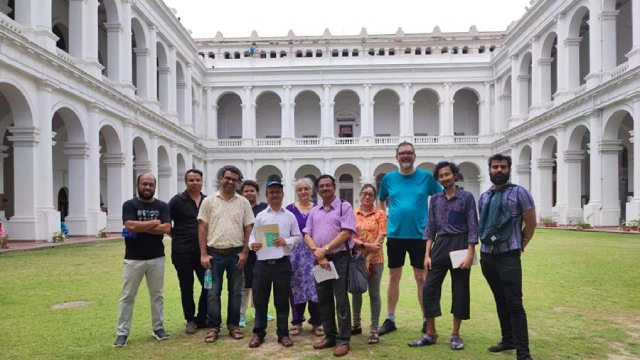
At EGMH, good governance is not simply a legal obligation — it is a reflection of our values. Gandhi believed that those entrusted with responsibility must be the first to model truth and transparency. That belief guides every decision made at this museum. Our Board of Trustees upholds the highest standards of ethical conduct, ensures sound financial management, and remains accountable to the community we serve. We are committed to open and honest decision-making, rigorous compliance with nonprofit best practices, and a culture of stewardship in which the museum's resources are always directed toward its mission — and never toward personal gain. Because we believe that trust, once earned, must be continuously renewed through action.
Leadership in Service
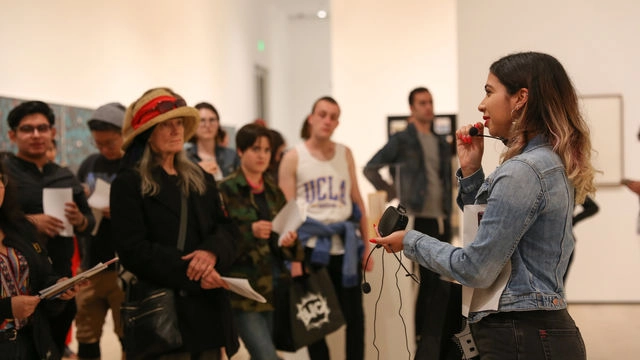
The leadership and governance of the Eternal Gandhi Museum Houston reflect the values the museum seeks to promote—service, responsibility, humility, and ethical action. Through the collective efforts of trustees, executive leadership, and advisors, the museum continues to grow as a center for education, reflection, and dialogue rooted in nonviolence and peace.
Governance Policies
The Eternal Gandhi Museum Houston is committed to the highest standards of ethical conduct, responsible stewardship, and good governance. These governance policies are designed to protect the integrity of the institution, ensure compliance with nonprofit best practices, and maintain public trust.
Conflict of Interest Policy
The Eternal Gandhi Museum Houston maintains a Conflict of Interest Policy to ensure that decisions are made solely in the best interests of the organization. Trustees, officers, advisory members, and key personnel are required to disclose any actual or potential conflicts of interest and to recuse themselves from discussions or decisions where such conflicts may exist.
This policy promotes transparency, accountability, and impartial decision-making in all matters affecting the museum.
Code of Ethics
The museum adheres to a Code of Ethics that reflects the values it seeks to uphold—truth, integrity, nonviolence, respect, and service. Trustees, leadership, staff, and volunteers are expected to act honestly, responsibly, and respectfully in all activities associated with the museum.
Ethical conduct includes compliance with applicable laws and regulations, respectful treatment of others, protection of confidential information, and avoidance of actions that could compromise the museum’s reputation or mission.
Fiduciary Duty of Trustees
Members of the Board of Trustees serve as fiduciaries of the Eternal Gandhi Museum Houston and are legally and ethically obligated to act in the best interests of the organization.
Trustees are expected to fulfill the duties of care, loyalty, and obedience by remaining informed about the museum’s activities and finances, placing the interests of the organization above personal or professional interests, and ensuring that the museum operates in furtherance of its stated mission and charitable purpose.
Commitment to Accountability
Through these governance policies, the Eternal Gandhi Museum Houston affirms its commitment to responsible leadership, sound financial management, and public accountability. These principles guide the museum’s leadership as it advances its mission in service to the community.
To explore specific opportunities, please visit: